
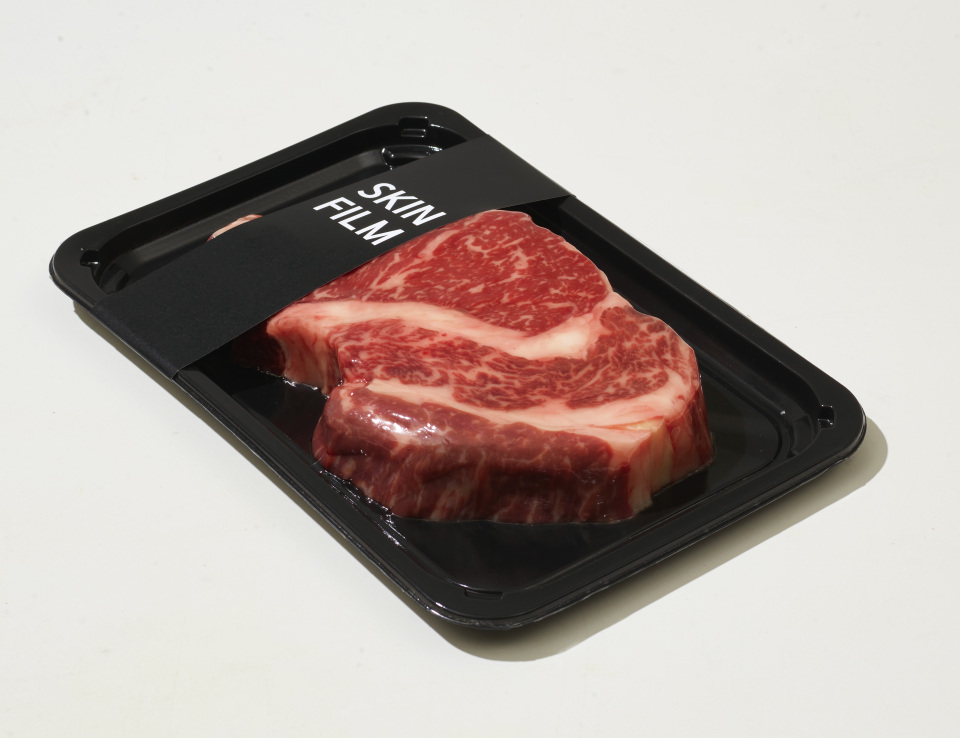
VSP, vacuum skin packaging, has become a reliable solution for preserving freshness and extending the shelf life of perishable goods. The film tightly seals a product and conforms to its shape, removing air from the package to slow oxidation and reducing the risk of contamination or spoilage. VSP keeps food products fresh longer, enhances their appearance, and minimizes waste across industries that depend on quality and safety.
What is Vacuum Skin Packaging (VSP)?
Vacuum Skin Packaging (VSP) is a method that removes nearly all air from the packaging before sealing a clear film tightly over the product and its base tray. By eliminating oxygen, VSP slows microbial growth and oxidation, which helps preserve color, flavor, and texture. It is most commonly applied to meat, poultry, seafood, cheese, and ready meals, where freshness and appearance are critical to consumers.
How VSP Differs from Other Packaging Methods
Traditional packaging methods, such as tray sealing or overwrapping, typically leave a small air gap between the product and the film. VSP removes almost all internal air, allowing he film to cling directly to the product surface. These differences provide three key advantages:
- Extended shelf life
- Improved product stability during transportation
- Enhanced shelf appearance
While modified-atmosphere packaging (MAP) relies on gas mixtures to control spoilage, VSP achieves similar preservation results without added gas. Additionally, the tight seal also minimizes freezer burn in frozen goods and reduces the need for preservatives, making it suitable for clean-label products.
Core Components of VSP Systems
A typical VSP system includes three main elements: the base tray or substrate, the top sealing film, and the vacuum sealing equipment.
| Component | Function | Common Materials |
| Base Tray | Holds and supports the product | PET, PP, or paperboard |
| Sealing Film | Forms the vacuum “skin” layer | Multi-layer barrier film |
| Vacuum Equipment | Removes air and applies heat seal | Automated vacuum chamber |
Types of VSP Machinery
Vacuum skin packaging machines vary by production scale and automation level. Small operations often use semi-automatic tabletop units, while large facilities rely on fully automated inline systems.
| Type | Description | Typical Use |
| Tabletop VSP | Compact, manually loaded units | Small batches, test runs |
| Inline VSP | Continuous, automated systems | High-volume production |
| Rotary VSP | Multi-station rotary tables | Medium-scale operations |
Materials Used in VSP
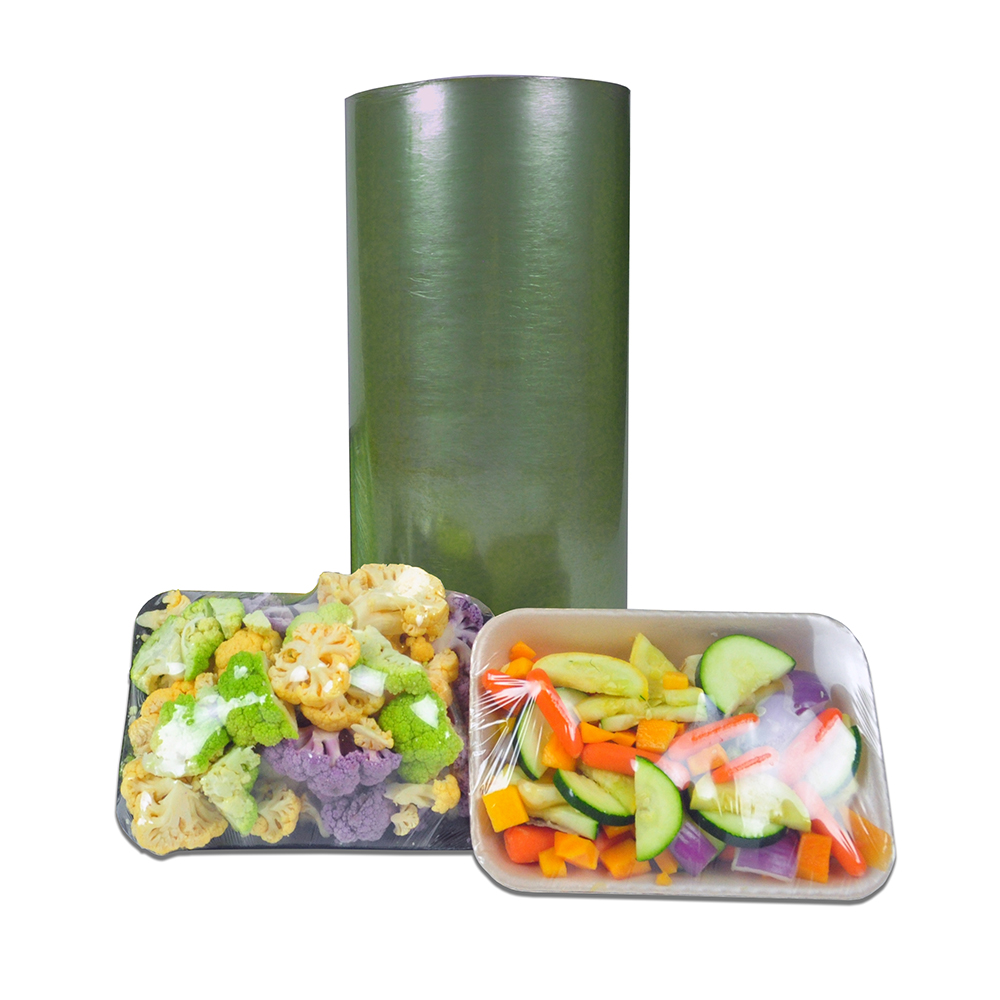
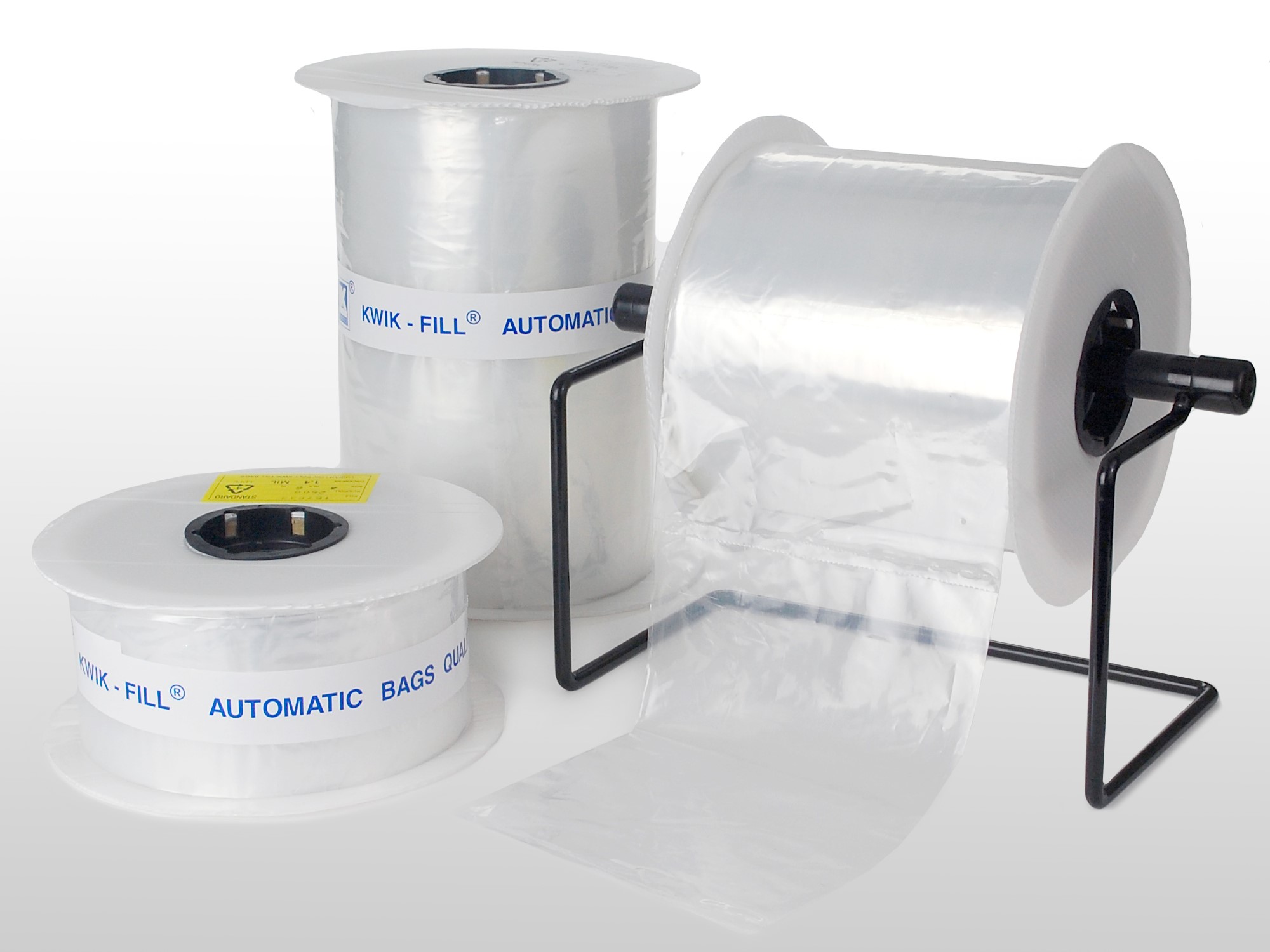
Vacuum seal packaging relies on high-barrier films that resist oxygen and moisture transmission. These films are usually made from polyethylene (PE), polyamide (PA), or multilayer composites combining both materials.
The trays or base may be rigid plastic, cardboard, or paperboard coated for heat sealing. Material selection depends on food type, storage temperature, and desired shelf life.