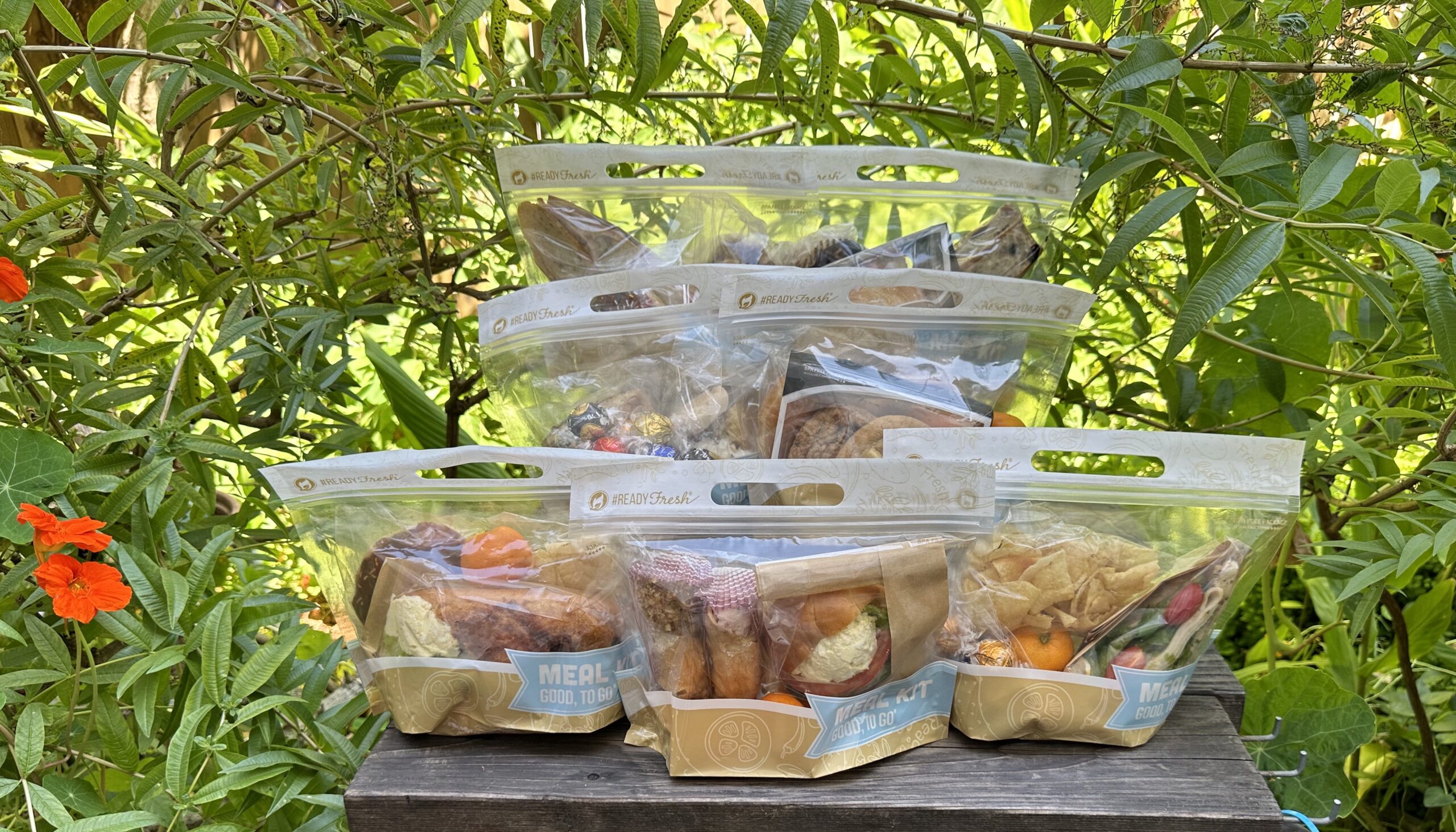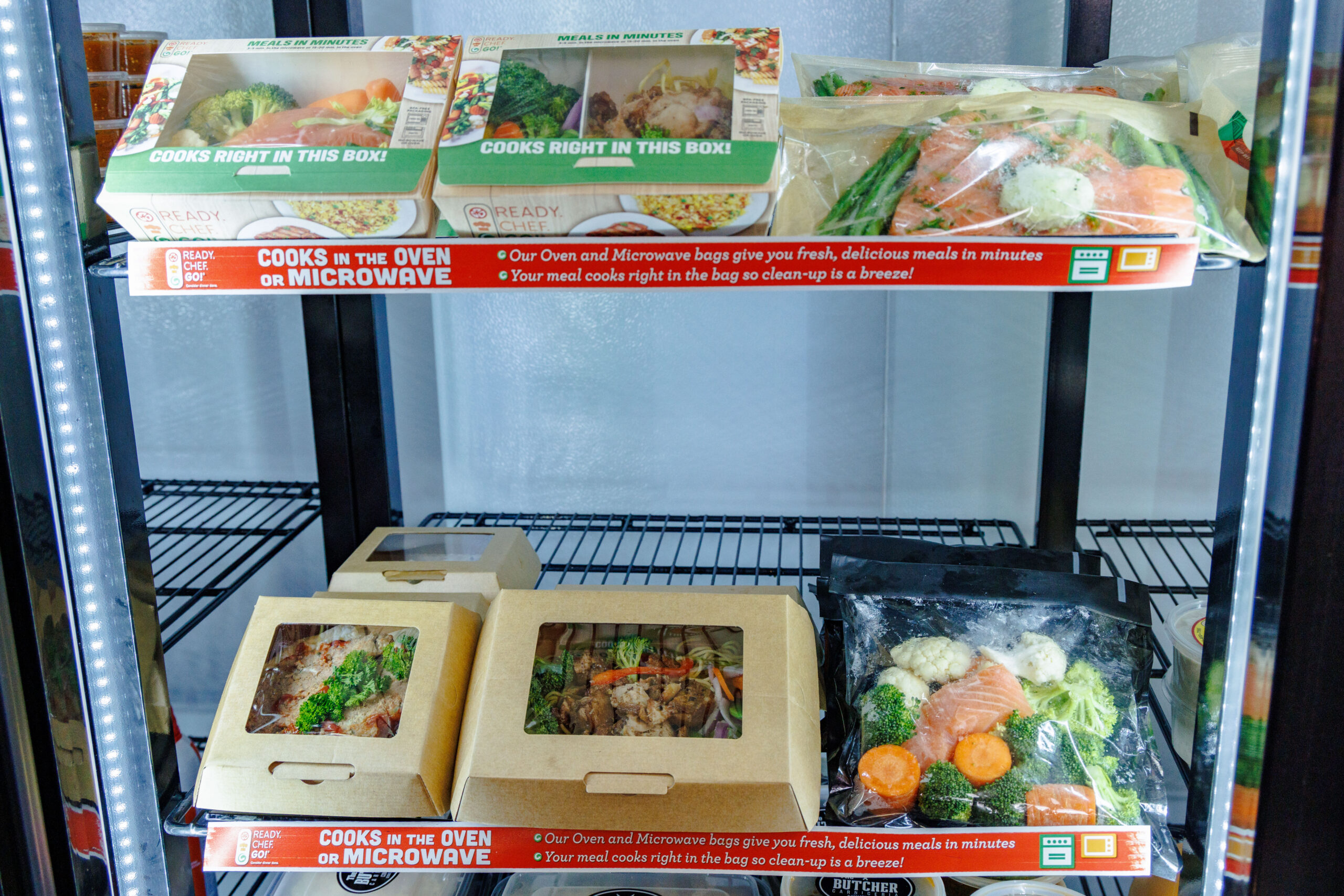
You may wonder just how recyclable LK packaging is. When you see the chasing arrows or resin codes or even just the look of some flexible packaging products, it can be easy to assume recyclability, but the truth is often more challenging to fully understand. LK strives to provide the best options for functional packaging, to include considerations for its ultimate disposal. Here’s a brief guide that can help packaging users make well-informed choices about their purchases and efforts to reduce waste.
Recycling and Disposal Guidance
At LK, we are committed to providing clear, accurate, and practical information about how to responsibly handle our packaging at the end of its life. Recycling rules in the United States vary widely from state to state, city to city, and even from store to store. Because of these differences, there is no single answer to whether a particular package can be recycled everywhere. Instead, we aim to help you make the best decision based on where you live.
Recycling Access Differs by Location
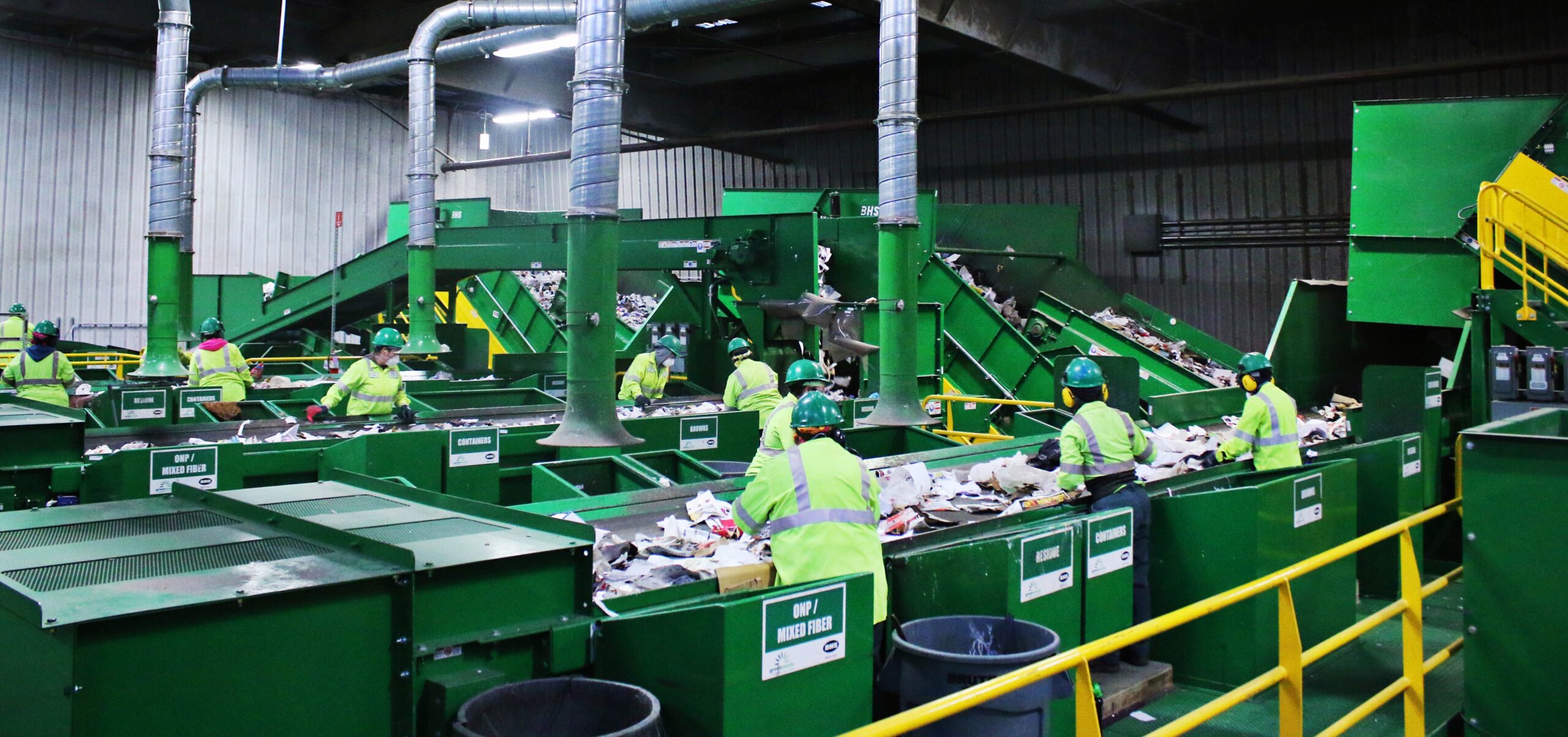
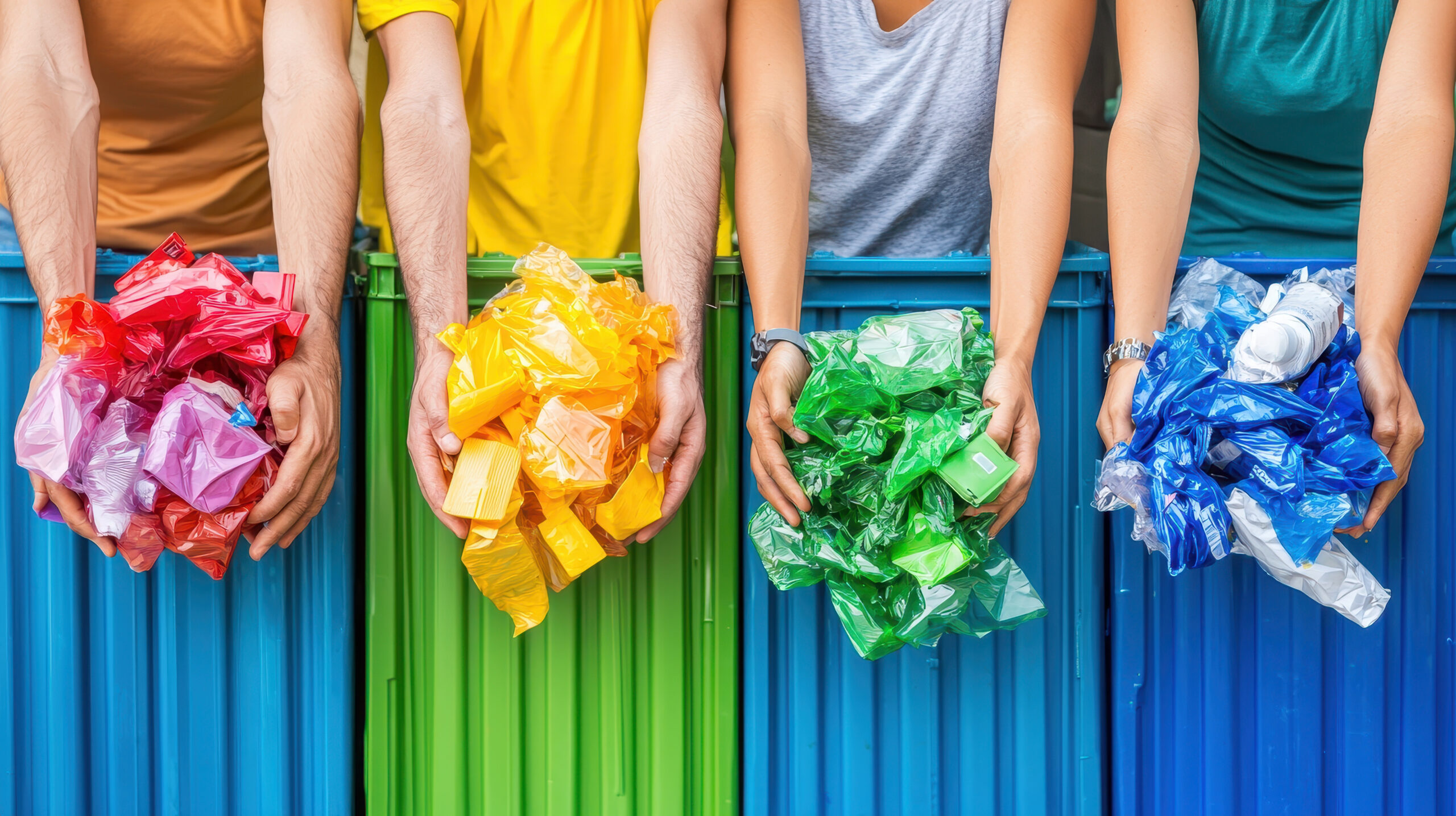
Most curbside recycling programs in the U.S. do not accept plastic bags, wraps, or other flexible film packaging because they can cause issues in sorting equipment and may be composed of plastic resins that are not processed in local recycling facilities. Unless your local program explicitly lists plastic film as accepted, please do not place these items in your curbside bin.
Store Drop‑Off Programs
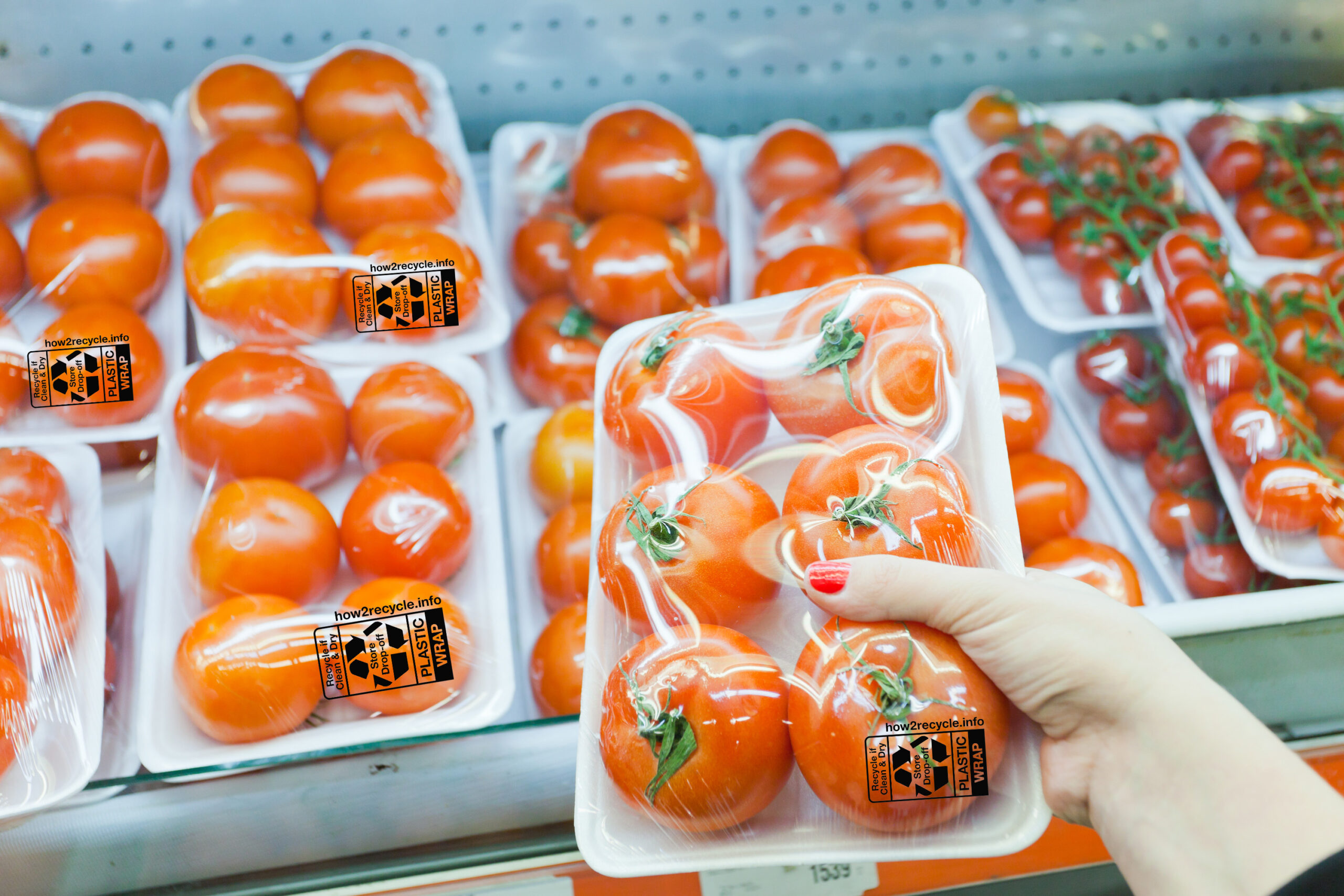
Some retailers, such as grocery stores, may provide bins to collect clean and dry plastic bags and wraps and other flexible packaging. If a local retailer confirms it accepts this type of packaging, you may be able to recycle it through that store’s program. Because store drop‑off programs vary widely and can change over time, we recommend checking directly with your local store before bringing materials in. In addition, we recommend confirming that the store drop-off program accepts the specific resin type of the packaging. If no program is available, please dispose of the packaging in the trash.
Clean and Dry Requirement
Where recycling is available, either curbside or store drop-off, it is important that plastic films are empty, clean, and dry. Packaging with food residue, grease, or moisture is typically not accepted in any recycling program. Contaminated packaging should be disposed of in the trash if it cannot be cleaned and dried.
State‑Specific Rules
In addition to this general guidance, certain states or municipalities have enacted stricter rules about recycling claims. For example, under California law (SB 343), packages can only be labeled as recyclable, including the use of a “chasing arrows” symbol, if the material used in the packaging meets strict state standards as to its collection and recycling rates. Right now, no flexible packaging meets these standards in California. As a result, we do not include recyclability labeling on any plastic film products, in order to ensure we meet California requirements.
What You Can Do
If you are unsure about how to handle our packaging, the best next step is to check with your city or county recycling program for accepted materials. If the materials are not accepted, then you should call or visit your local retailer to confirm if they have a drop‑off program for plastic film. If no option exists, dispose of the item in the trash to avoid contaminating recycling streams.
We are committed to transparency and accuracy in how we communicate about recycling. By working together and following local guidance, we can help ensure that materials go to the right place and reduce contamination in the recycling system.