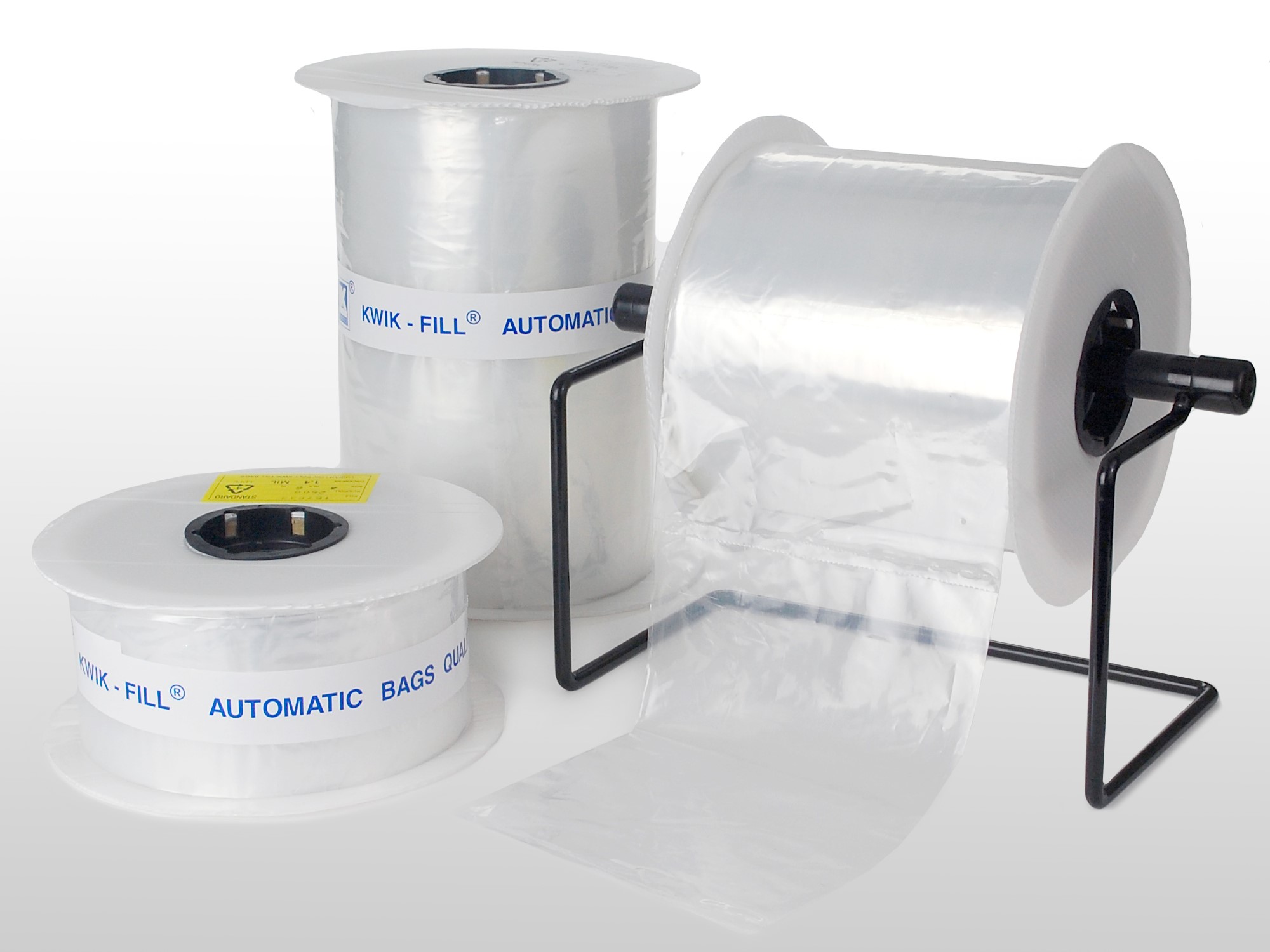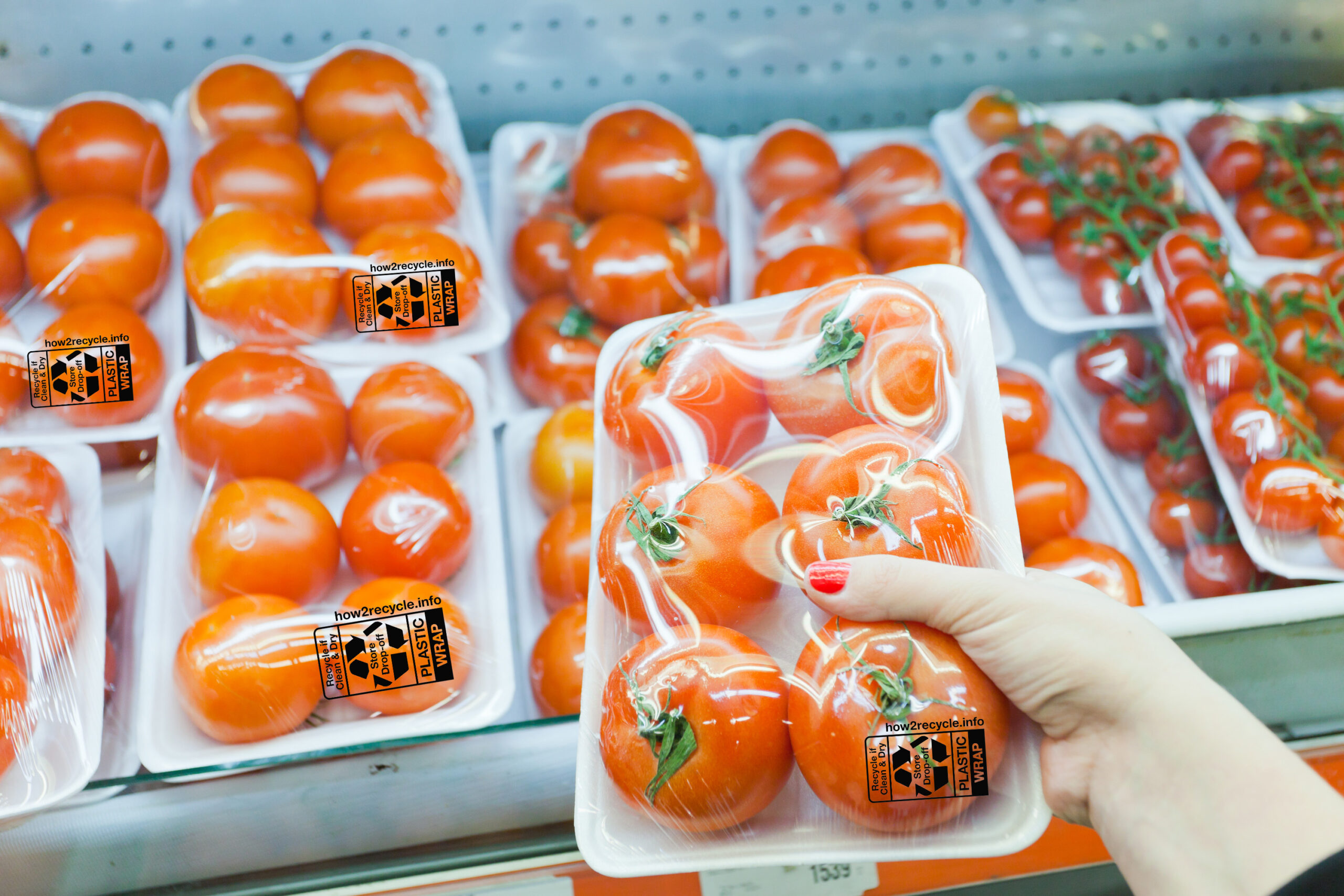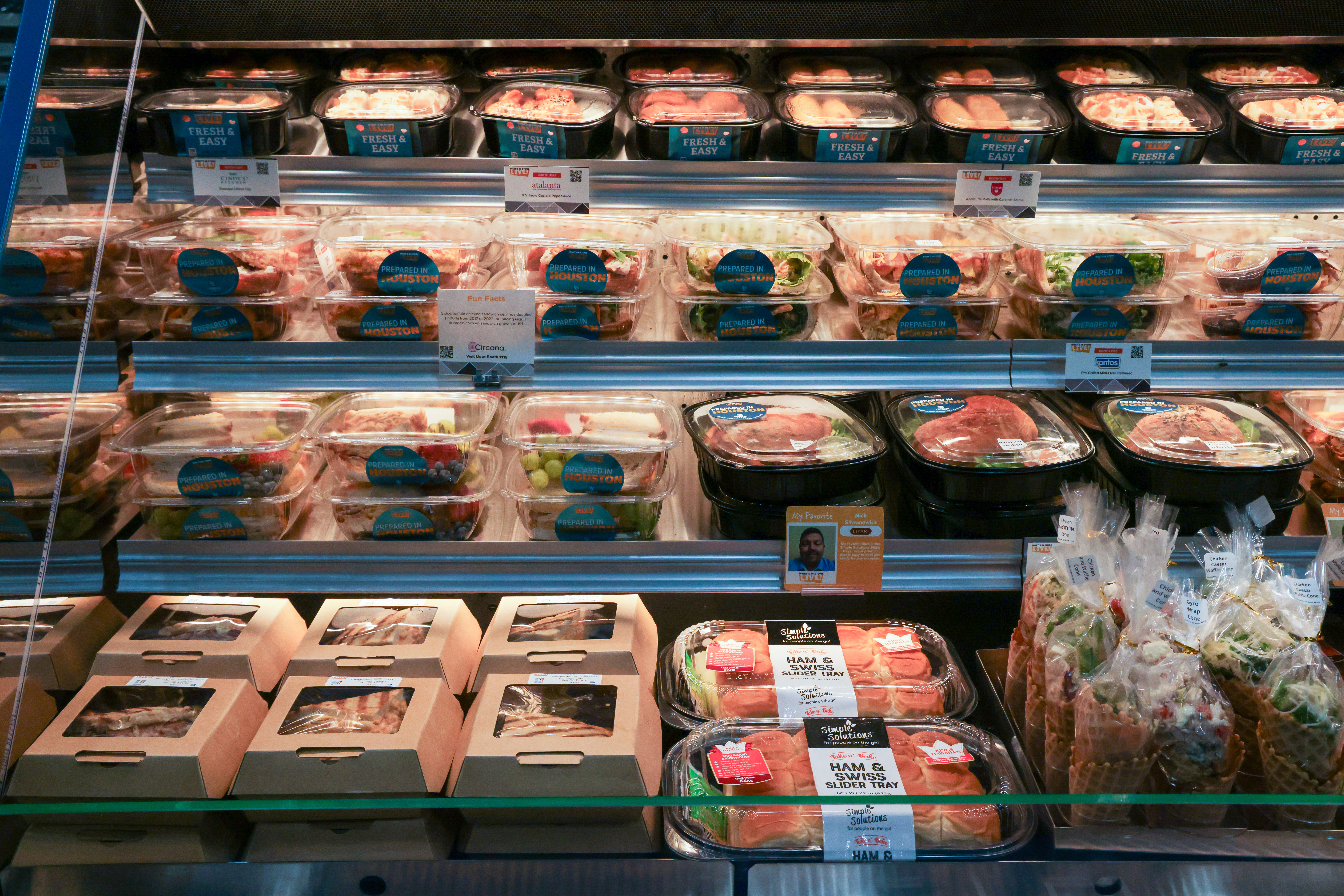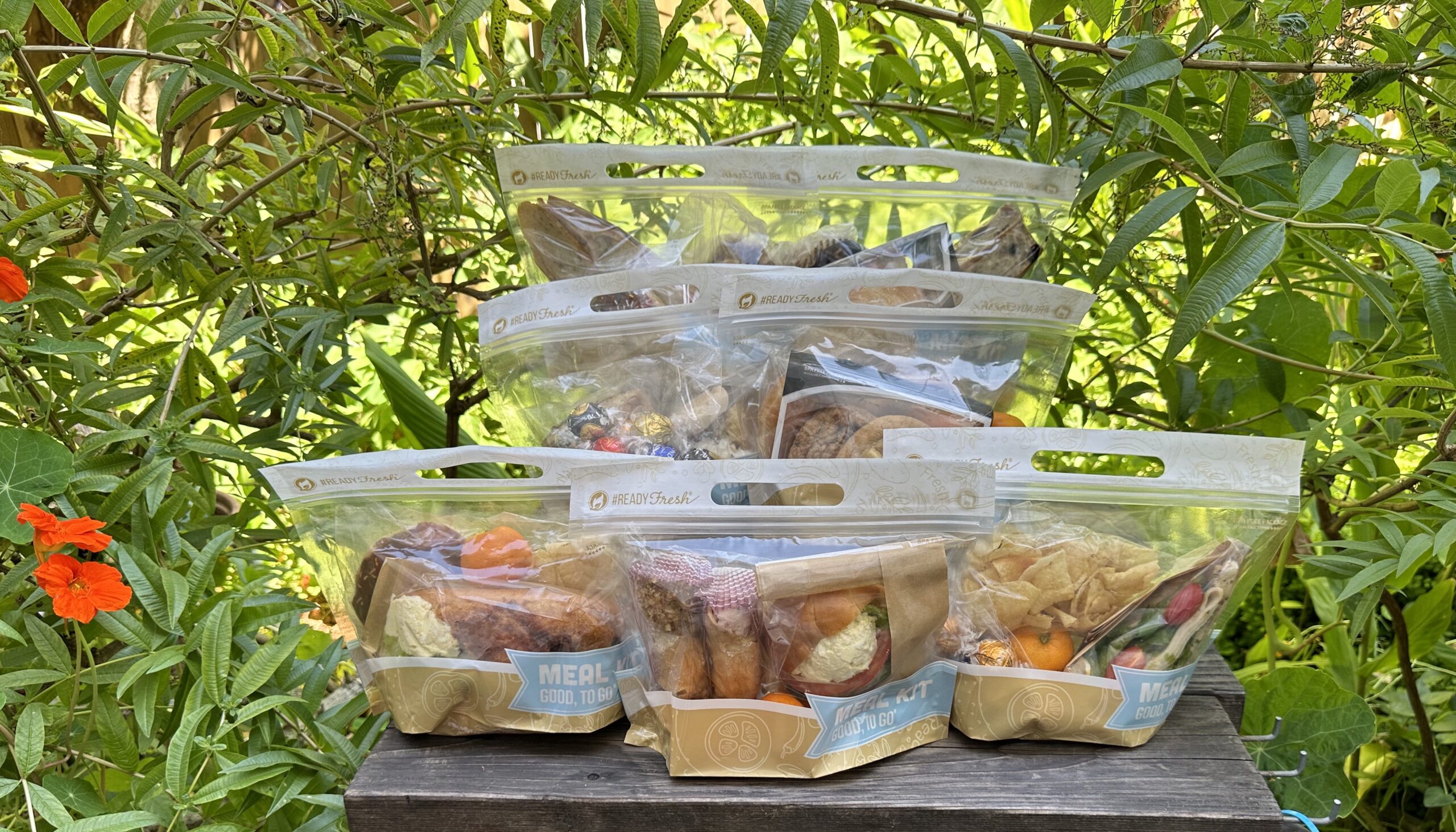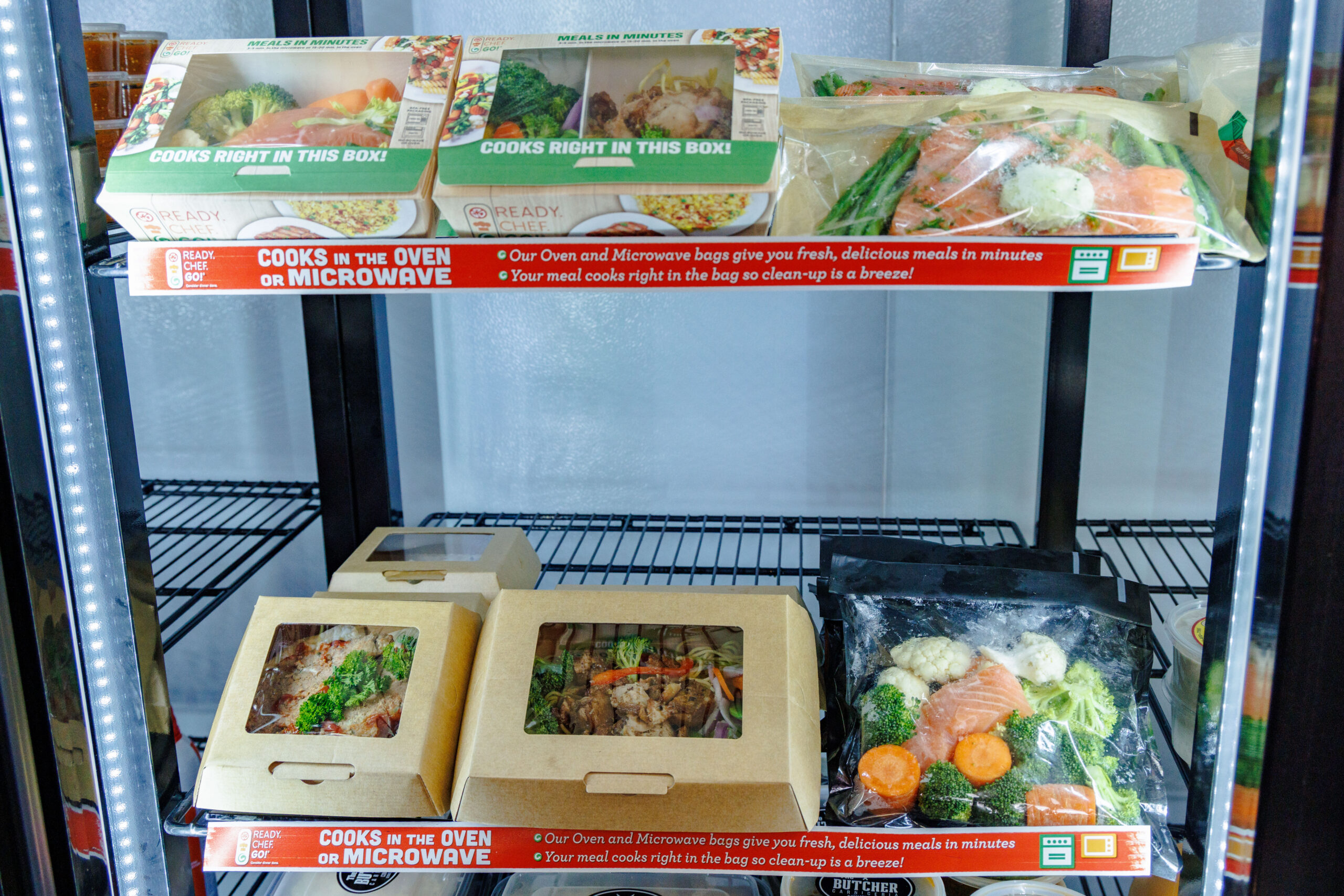
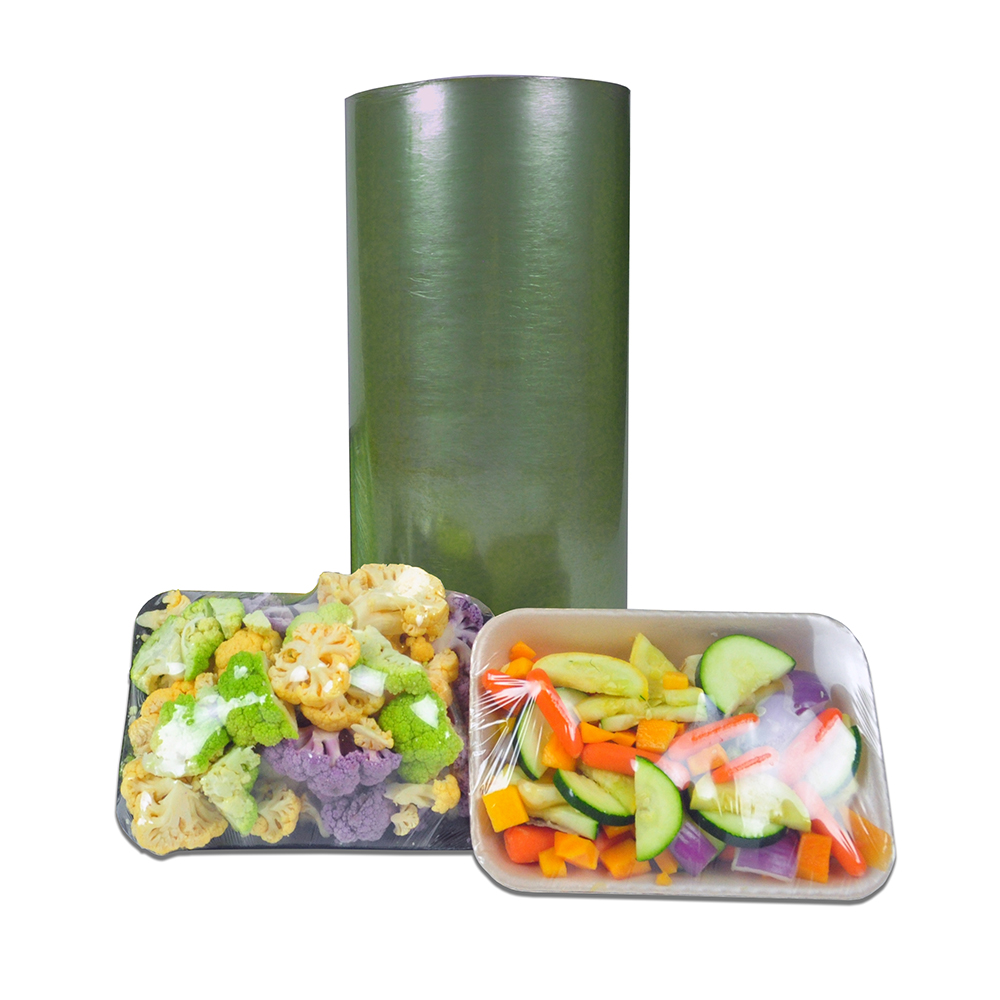
Fresh produce doesn’t get second chances. From harvest to distribution to retail display, every touchpoint impacts quality, shelf life, and brand perception. Packaging plays a bigger role than most realize, especially film designed specifically for fruits and vegetables.
Why Film Matters in Produce Packaging
Produce film isn’t just about wrapping product. It’s about control. Proper film regulates oxygen and moisture exchange, helping slow respiration and dehydration—two of the biggest drivers of spoilage. The right structure can:
- Extend shelf life
- Reduce food waste
- Maintain visual appeal
- Protect against contamination
- Improve handling during transport
When packaging fails, shrink, mold, and bruising follow. That’s why selecting the right film structure isn’t optional—it’s critical.
Single vs. Dual Layer Film
Single and dual layer produce films serve different needs depending on the product, environment, and distribution timeline.
Single layer films are typically used for short-term applications or products with lower respiration rates. They offer:
- Cost efficiency
- Consistent clarity
- Reliable sealing
Dual layer films provide enhanced performance when shelf life matters. By combining materials, dual layer structures deliver:
- Improved strength and puncture resistance
- Better moisture control
- Enhanced gas transmission management
This layered approach allows processors to fine-tune performance based on specific produce requirements.
The Advantage of Green Tint Film
Green tint film has become increasingly popular in produce packaging—and it’s not just for looks. The subtle tint:
- Enhances natural color of fruits and vegetables
- Masks minor imperfections without misleading consumers
- Creates a cleaner, premium shelf presence
Retailers care about presentation. Shoppers buy with their eyes first. Green tint film helps produce look vibrant and fresh under harsh store lighting, increasing sell-through without altering product integrity.
Key Factors to Consider When Choosing Produce Film
Not all produce behaves the same. Packaging should reflect that reality.
Respiration rate: High-respiring items like berries and leafy greens need breathable films. Low-respiring items require tighter control.
Moisture sensitivity: Some produce needs humidity retention. Others require moisture escape to prevent mold.
Distribution timeline: Short local delivery vs. cross-country shipping demands very different performance.
Machinery compatibility: Film must run smoothly on existing equipment without slowing production or increasing downtime.
It is important to consider each factor when choosing which film is right.
Sustainability & Waste Reduction
Modern produce packaging isn’t just about protection—it’s about responsibility. Proper film selection helps reduce food waste, which has a far greater environmental impact than packaging itself.
Many operations are now prioritizing:
- Thinner gauge films with equal strength
- Recyclable structures
- Downgauging initiatives
The goal: less material, same performance.
Packaging That Works as Hard as the Produce
Produce moves fast. Packaging should keep up.
High-performance film solutions support:
- Faster packing speeds
- Fewer line stoppages
- Consistent sealing
- Stronger packages in transit
When film performs, operations stay efficient and retailers stay stocked with quality product.
Find the Packaging that Works for You
Produce packaging isn’t one-size-fits-all. Film structure, tint, breathability, and durability all matter. Getting it right protects product quality, extends shelf life, and improves shelf appeal—while helping reduce waste and operational headaches.
Smart packaging decisions don’t just preserve produce. They protect margins, brand reputation, and customer trust.