Packaging innovation has become a key factor in the growth of prepared foods section within supermarkets. As consumer demand for convenient, ready-to-eat meals rises, packaging solutions have evolved to ensure food safety, freshness, and convenience during transport and storage.
The Role of Packaging Innovation in Prepared Foods
Packaging innovation directly supports the growth of prepared foods by improving how these products look, stay fresh, and cater to busy consumers. Modern packaging addresses challenges in food safety, shelf life, and convenience, which are critical for supermarkets expanding their ready-to-eat selections.
Enhancing Product Appeal
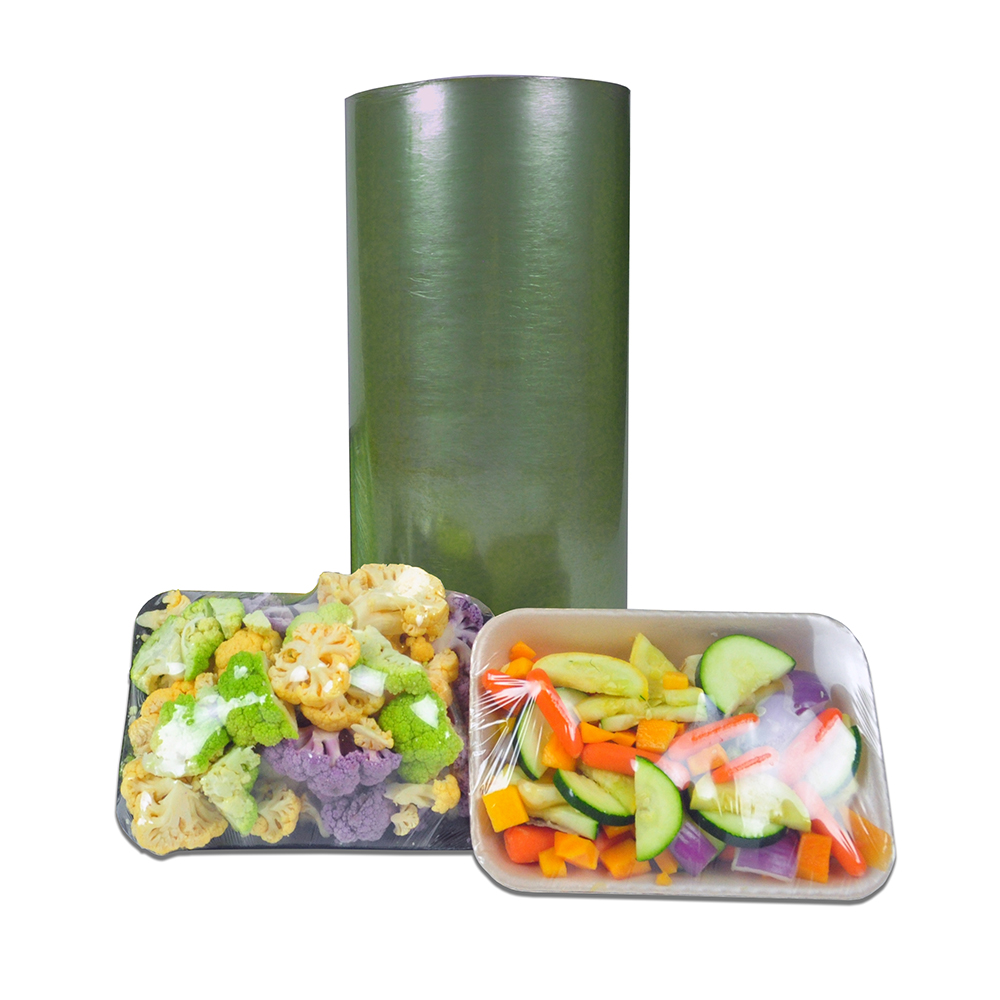
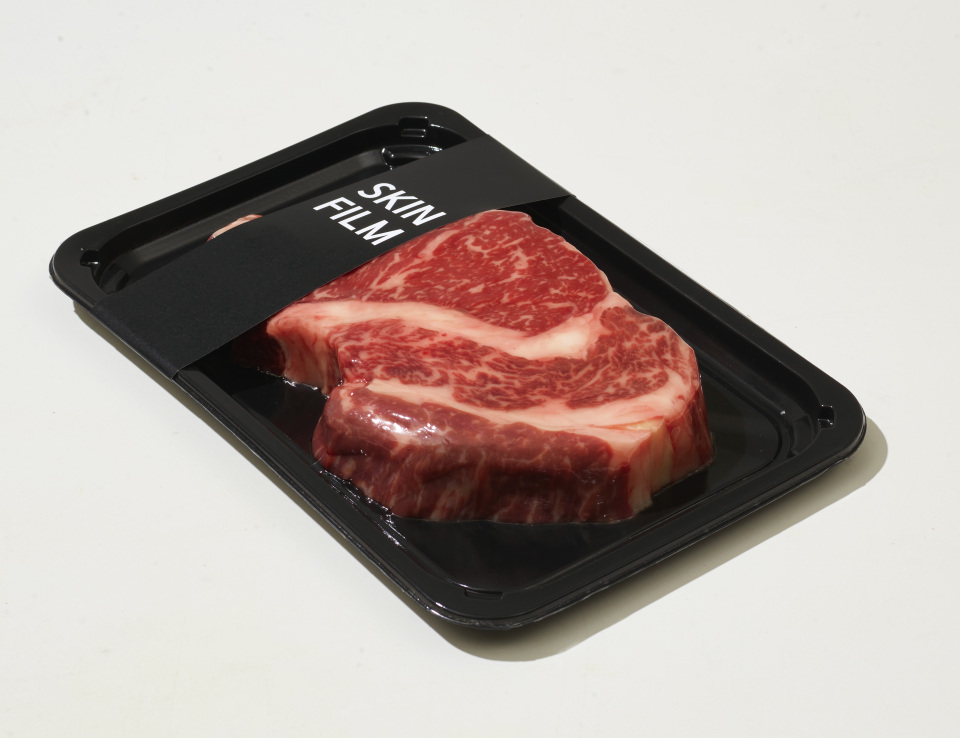
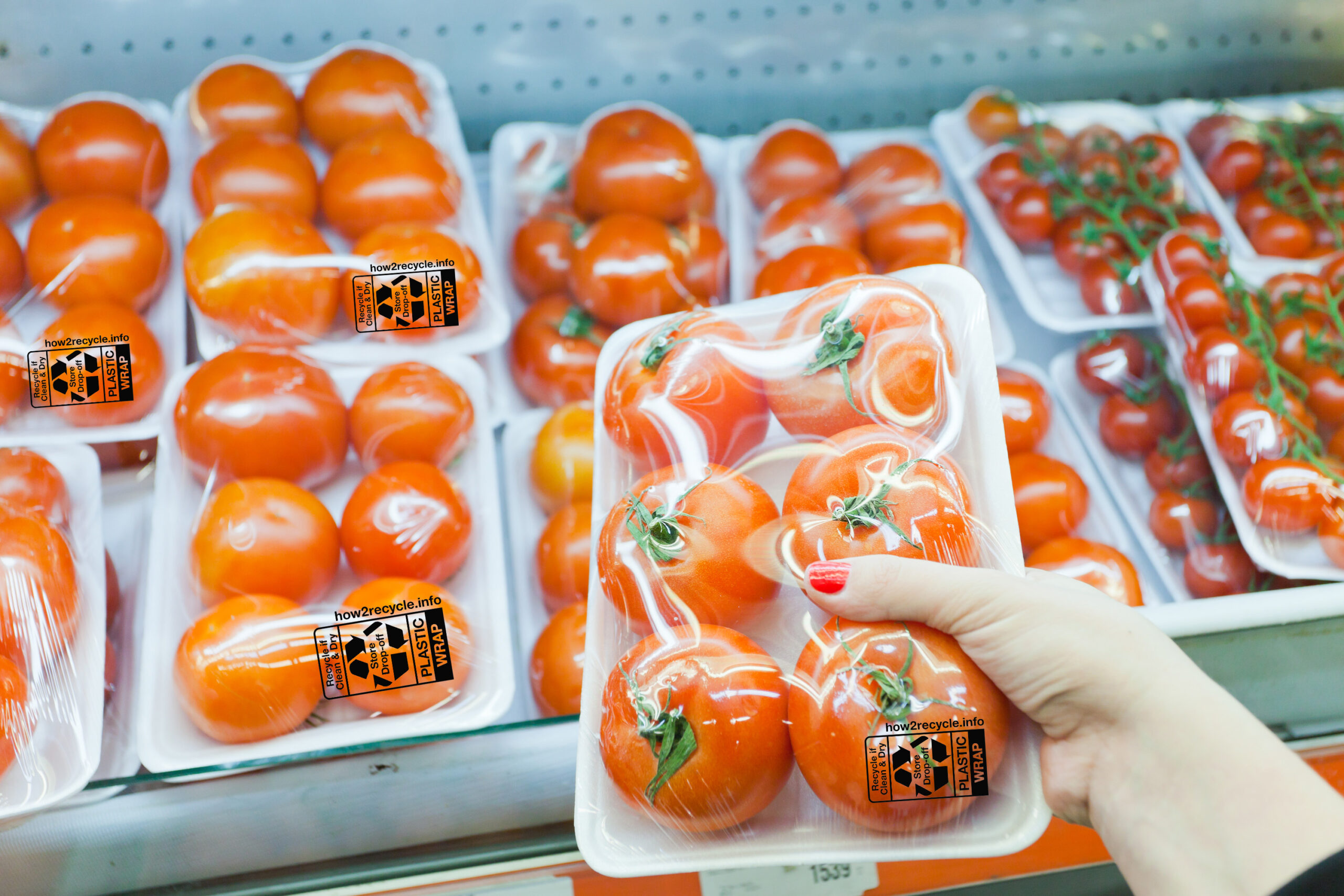
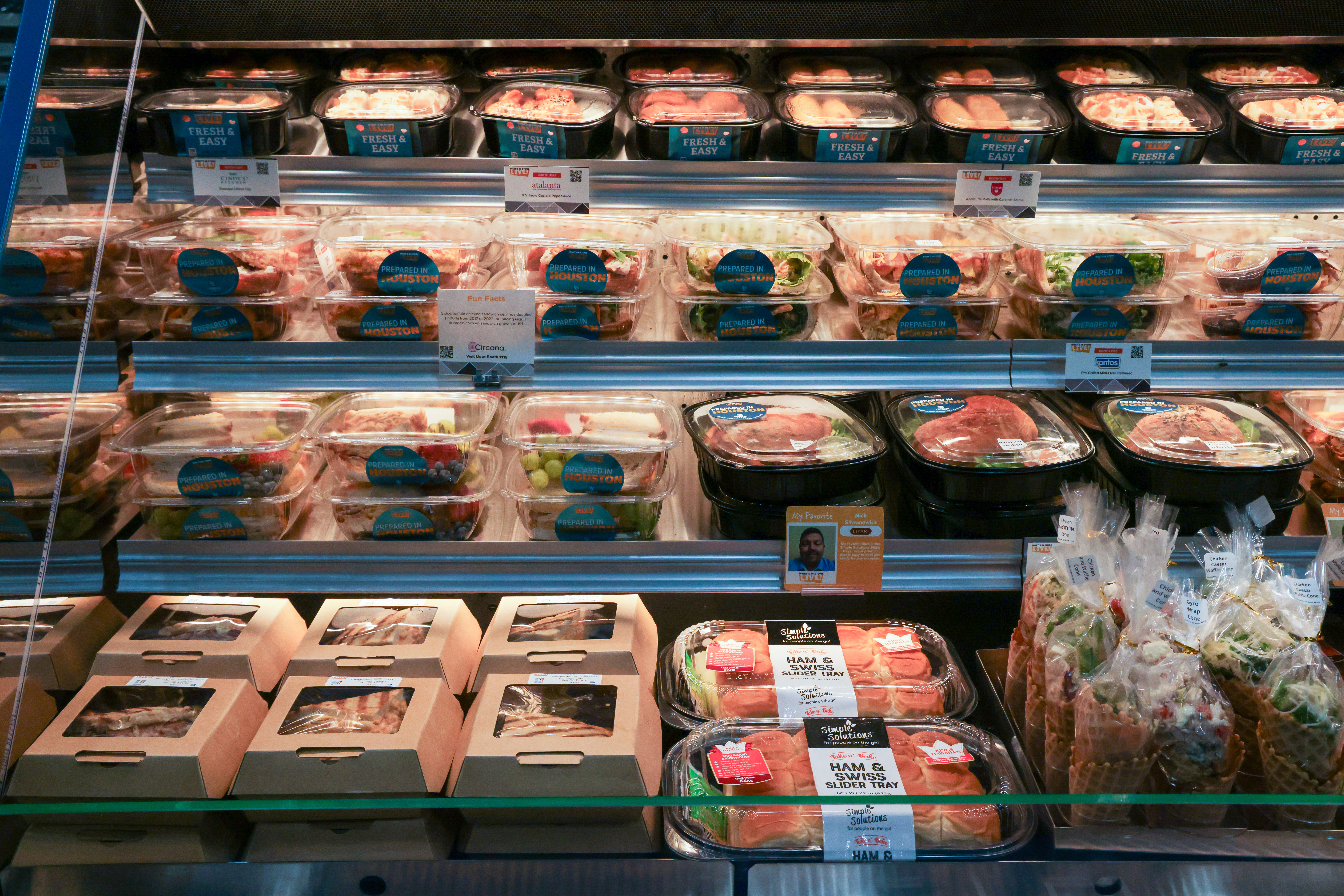
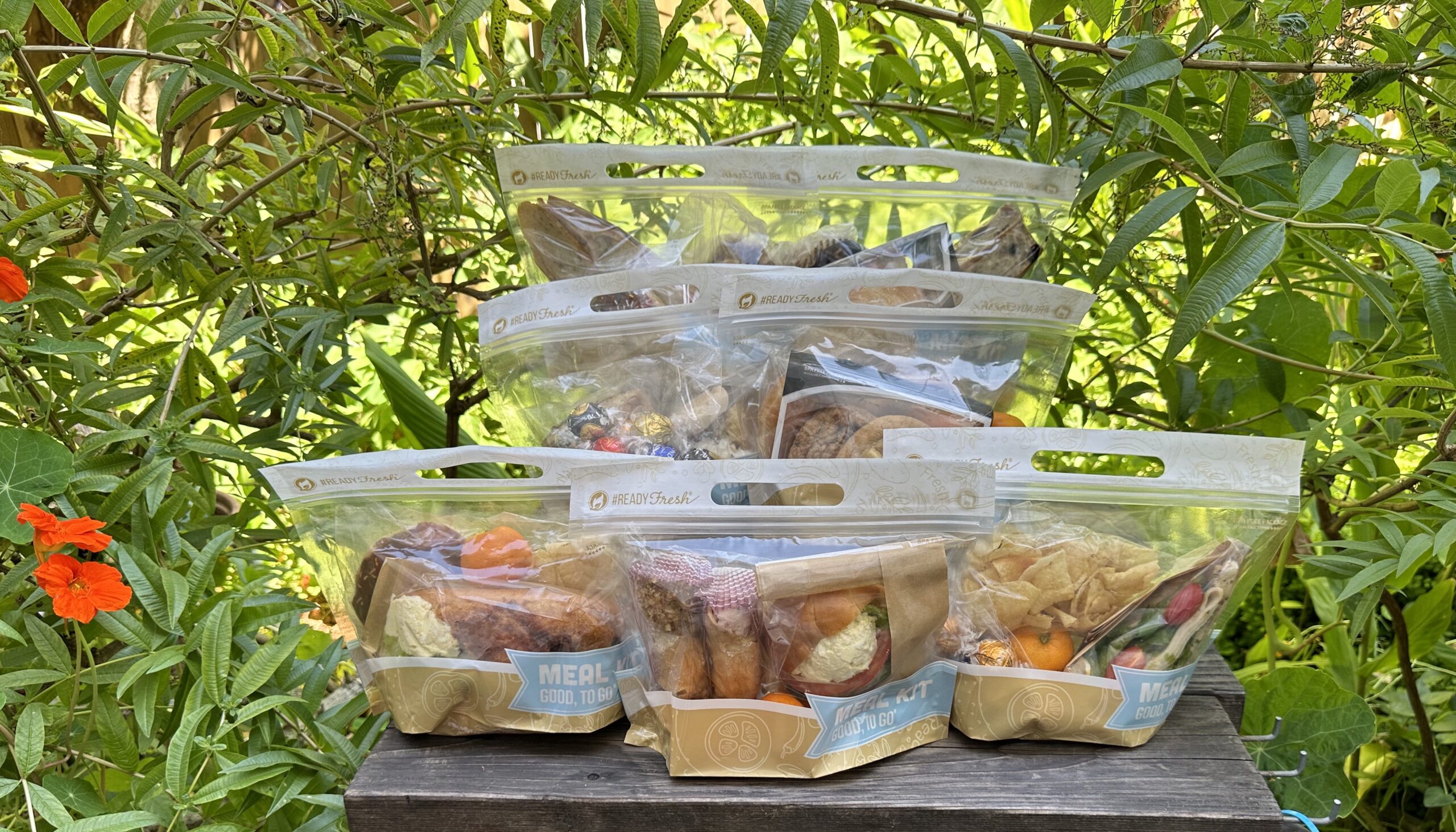
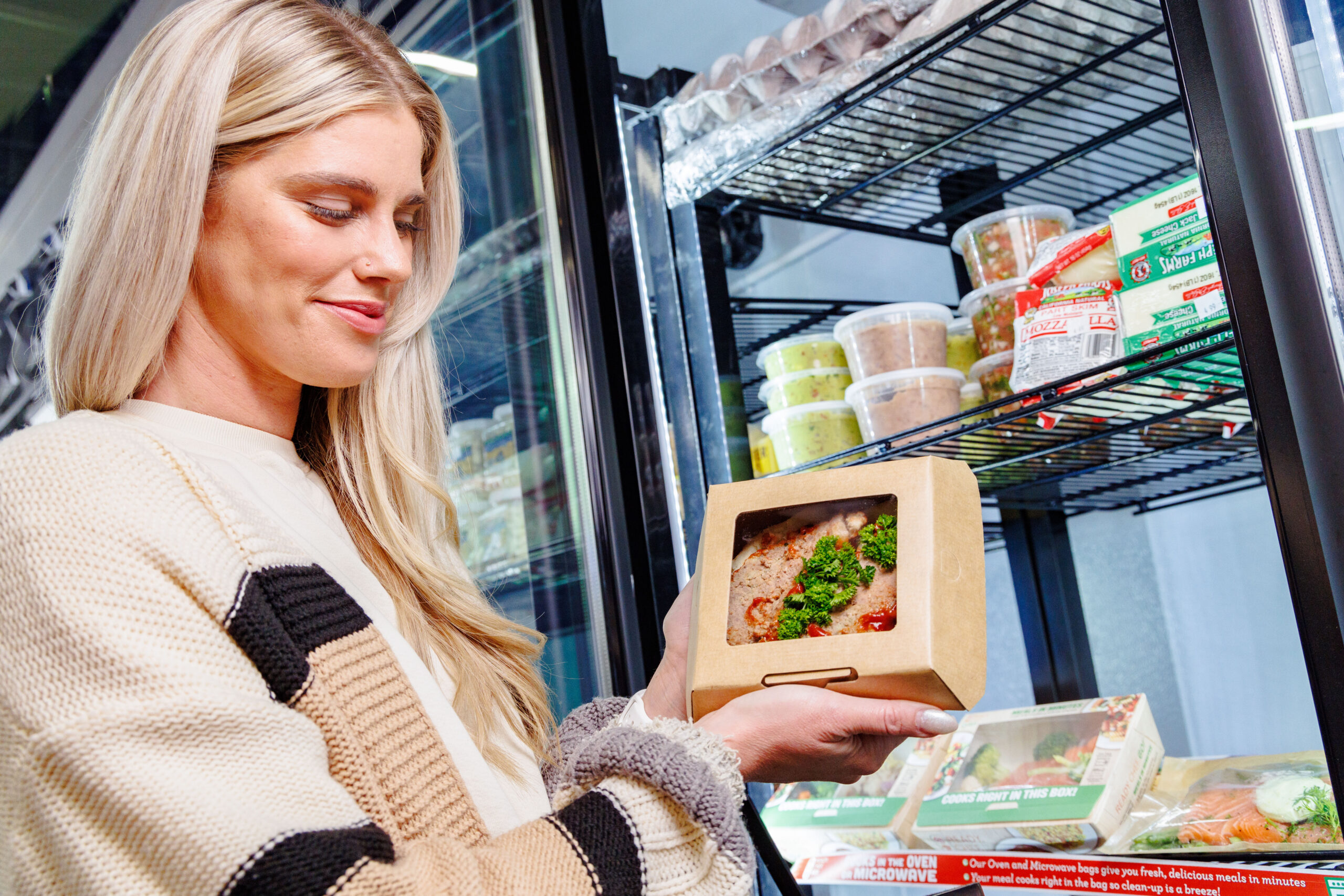
Packaging plays a vital role in attracting shoppers to prepared foods. Clear, visually appealing designs showcase the product inside, helping customers quickly identify quality and freshness. Packaging often incorporates labels or indicators that communicate freshness, origin, or nutritional information. This transparency builds trust and encourages purchase decisions.
Improving Shelf Life
Shelf-life extension is crucial for reducing food waste and maintaining product safety in prepared foods. Innovations like active packaging include oxygen scavengers, moisture absorbers, or antimicrobial agents embedded in the packaging to slow spoilage.
Facilitating Convenience
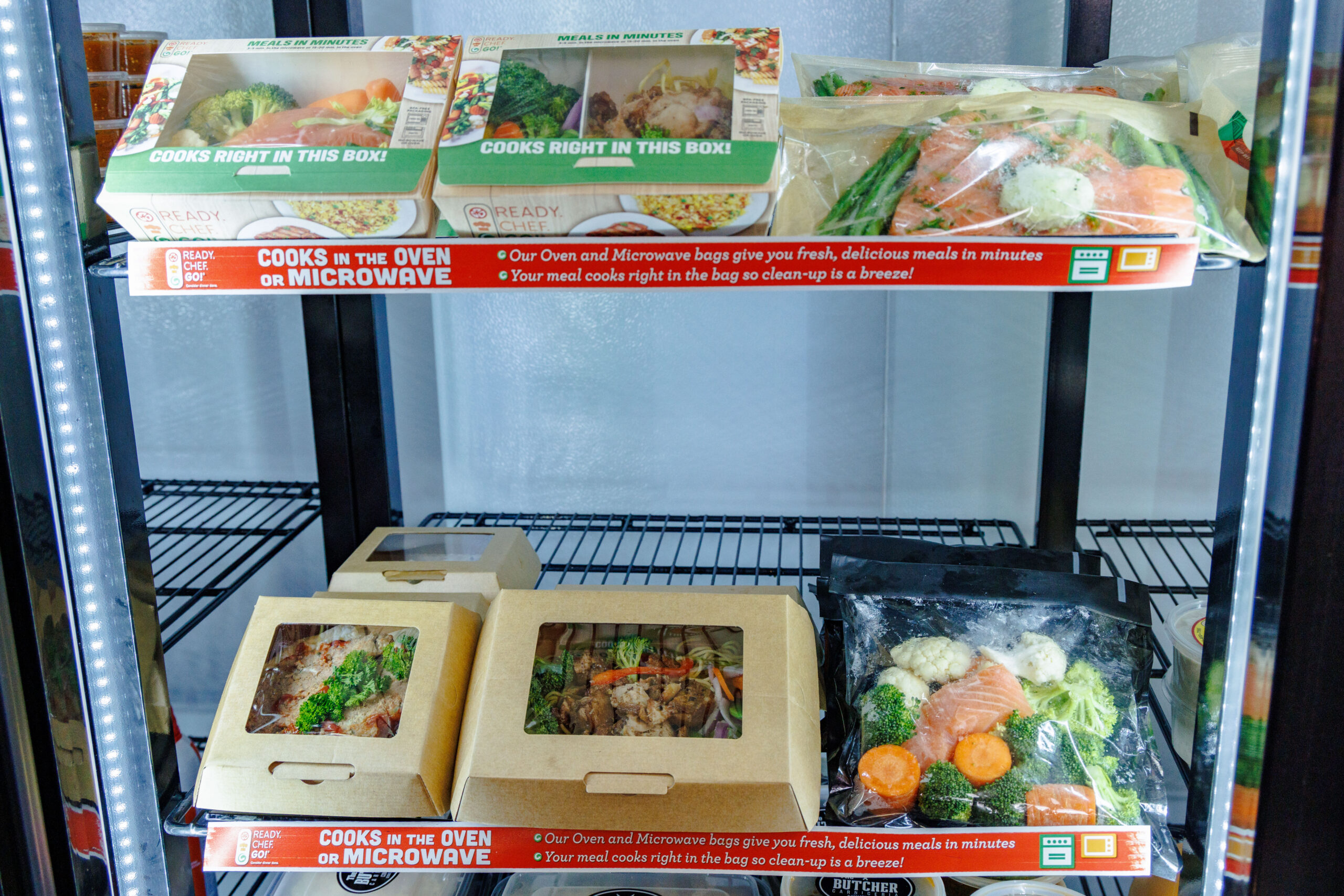
Convenience is a top priority for prepared food buyers. Packaging solutions emphasize easy opening, resealing, and portion control to fit fast-paced lifestyles. Features like peel-back lids, microwave-safe materials, and single-serve compartments enhance usability.
Emerging Packaging Trends in Supermarkets
Packaging innovations now prioritize environmental responsibility, technology integration, and consumer engagement. These advances enhance product safety, convenience, and brand connection while meeting evolving shopper demands.
Sustainable Materials
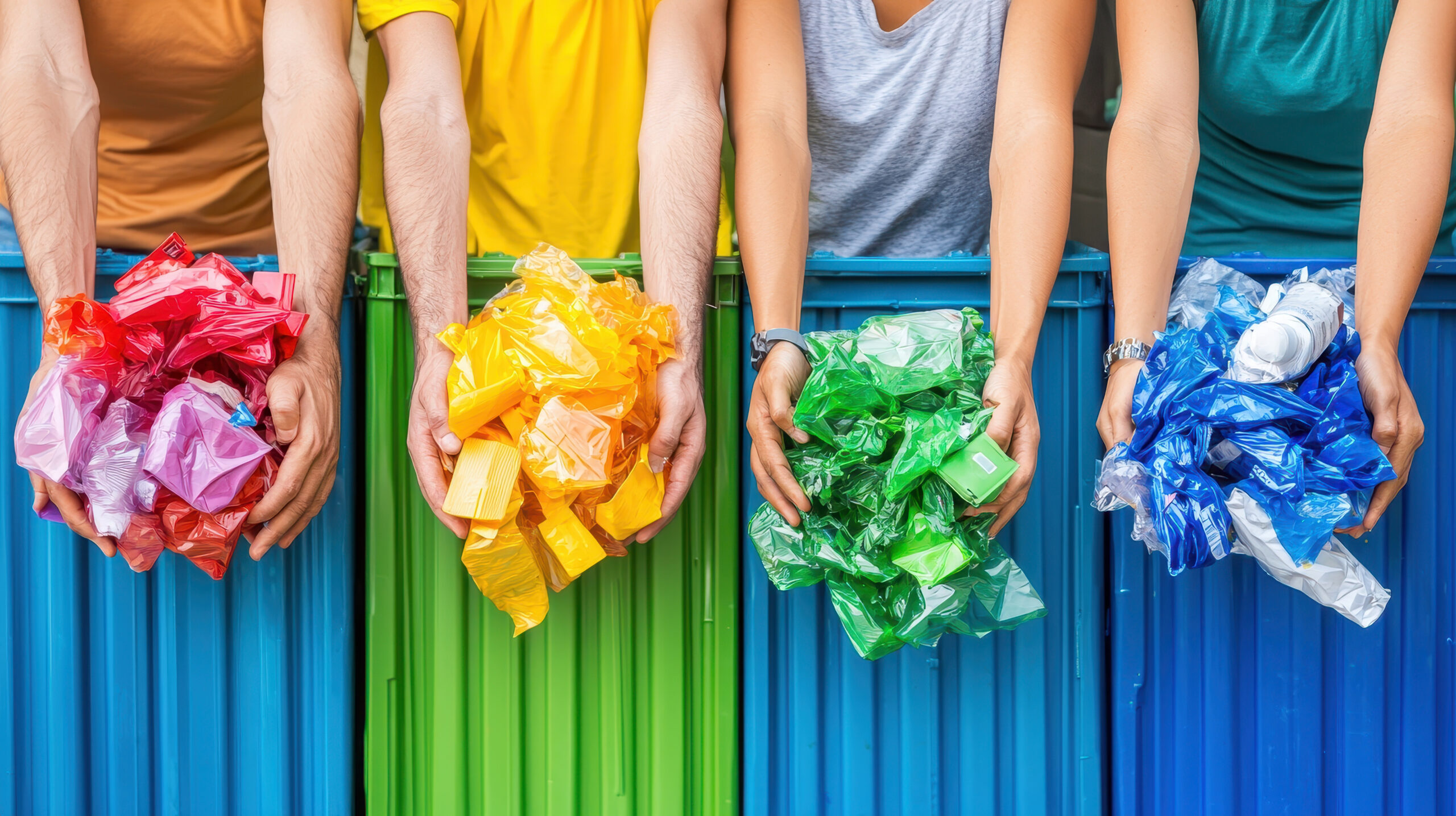
Supermarkets increasingly adopt packaging made from renewable, biodegradable, or recyclable materials to reduce environmental impact. Materials such as compostable bioplastics, recycled paperboard, and plant-based films are replacing traditional plastics.
This shift supports waste reduction goals and appeals to eco-conscious consumers. Packaging designs also focus on minimizing material use without compromising protection, optimizing both resource efficiency and shelf life.
Personalization and Customization
Retailers increasingly use packaging to offer tailored experiences catering to individual preferences or dietary needs. Variable labeling, such as different languages or dietary icons, improves communication with diverse shopper groups.
Packaging designs can also be customized for limited-edition products or local tastes, fostering brand loyalty. Digital printing techniques allow fast, cost-effective production of small batches with unique graphics or messaging.
Personalized packaging supports grab-and-go prepared foods by highlighting portion sizes, ingredients, or nutritional benefits clearly. This approach meets demand for convenience while addressing health and lifestyle trends among supermarket customers.